Knee Pain Physiotherapy: 5 Key Exercises to Relieve Joint Pain
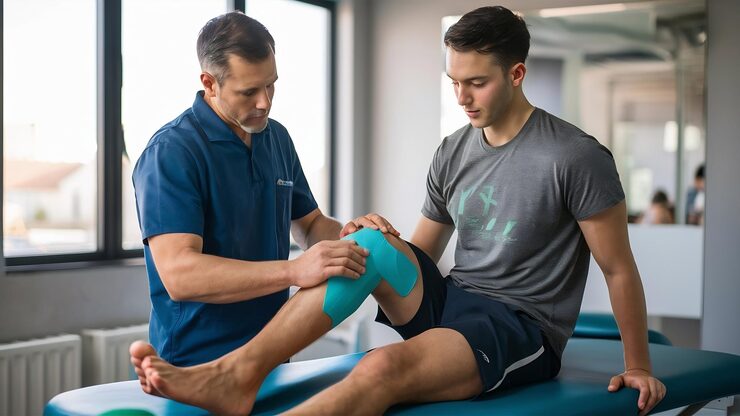
Whether it is a sharp twinge when climbing stairs, a dull ache after a morning run, or persistent stiffness that makes it hard to stand up, knee pain is one of the most common physical complaints. Because the knee is a complex, weight-bearing joint that endures immense daily stress, it is highly susceptible to wear, tear, and sudden injury. If you are struggling with joint discomfort, starting a structured knee pain physiotherapy program can help manage your symptoms and restore healthy joint function.
At PhysioNex, our experienced team provides personalized care to help you recover. If you are looking for local clinical support, our comprehensive knee pain physiotherapy HBR Layout services are designed to address the root cause of your pain. From targeted exercises for knee pain to advanced manual therapy, we guide you step-by-step toward an active, pain-free life.
Common Causes of Knee Pain
Knee pain can stem from various sources, ranging from sudden mechanical injuries to chronic degenerative conditions. The most common causes include:
- Ligament Injuries (ACL/MCL Tears): Common among athletes, a sudden twist or impact can tear ligaments. Rebuilding stability is vital, and we integrate this with sports injury recovery strategies.
- Meniscus Tears: The shock-absorbing cartilage in the knee can tear due to forceful twisting, causing pain, swelling, and locking.
- Knee Osteoarthritis: The gradual wear and tear of cartilage leads to bones rubbing against each other, causing stiffness and pain, especially in older adults.
- Patellofemoral Pain Syndrome (Runner’s Knee): Pain around the kneecap caused by repetitive friction, poor tracking, or muscle imbalances.
- Tendinitis (Jumper’s Knee): Inflammation of the patellar tendon due to repetitive jumping or running.
If you reside nearby, finding a qualified physiotherapist in Bangalore (serving areas like HBR Layout, Kammanahalli, or Hennur) can provide you with an accurate clinical diagnosis before your symptoms worsen.
How Physiotherapy for Knee Pain Can Help
Many people rely on temporary pain relief like braces or anti-inflammatory medications. While these help manage acute symptoms, they do not address the underlying biomechanical issues. A structured physiotherapy in Bangalore program for knee pain focuses on:
- Reducing Pain and Swelling: Utilizing advanced modalities (such as cold compression, ultrasound, and manual lymphatic drainage) to soothe the joint.
- Restoring Range of Motion: Gentle joint mobilization techniques help eliminate stiffness.
- Improving Joint Alignment: We address muscle tightness in the hips, calves, and IT band to ensure the kneecap tracks correctly.
- Targeted Strengthening: Activating weak supporting muscles (like the quadriceps, hamstrings, and glutes) to reduce the physical load on the knee joint.
Our specialists provide the personalized knee pain physiotherapy HBR Layout residents trust to regain functional independence and prevent future injuries.
5 Simple Exercises for Knee Pain Relief
Incorporating basic, low-impact movements into your routine can help keep the joint lubricated and stable. Here are 5 physio-approved exercises for knee pain:
- Quadricep Sets (Thigh Squeezes): Lie on your back with a rolled towel under your knee. Squeeze your thigh muscles and push the back of your knee down into the towel. Hold for 5 seconds. Repeat 10 times.
- Straight Leg Raises: Lie on your back. Bend one leg, keeping the foot flat. Keep the other leg straight and lift it to the height of the opposite knee. Hold for 3 seconds, lower slowly, and repeat 10 times.
- Hamstring Curls: Stand and hold onto a chair for balance. Slowly bend your knee and bring your heel toward your buttocks. Hold for 3 seconds, lower, and repeat 12 times.
- Wall Slides: Stand with your back flat against a wall. Slide down slowly until your knees are slightly bent (no more than 45 degrees). Hold for 5 seconds, slide back up, and repeat 8 times.
- Calf Raises: Stand tall behind a chair. Lift up onto your tiptoes slowly, hold for 2 seconds, and lower. Repeat 15 times to build ankle and lower leg stability.
Our Approach to Complete Knee Rehabilitation
At PhysioNex, we follow a comprehensive, phase-based approach to knee rehabilitation to ensure your recovery is safe and progressive.
- Acute Phase: Managing pain, reducing inflammation, and performing gentle active-assisted movements.
- Restoration Phase: Implementing targeted manual therapy and stretching to regain full joint mobility.
- Strengthening Phase: Introducing resistance exercises to build muscle support around the joint.
- Return-to-Activity Phase: Practicing functional movements, balance training, and gait correction. If you are recovering from a surgery, this integrates with our specialized post-surgery rehabilitation protocols.
Whether you need clinical care or home visits, our programs for knee rehabilitation HBR Layout residents rely on are fully customized to your physical goals and lifestyle.
Ergonomics and Daily Tips for Knee Protection
Preventing knee pain involves protecting the joint during daily activities:
- Maintain a Healthy Weight: Every extra pound of body weight adds four pounds of pressure to your knees during walking.
- Wear Supportive Footwear: Choose shoes with adequate arch support and cushioning to distribute impact evenly.
- Avoid Prolonged Knee Flexion: If you have a sedentary desk job, avoid sitting with your knees bent at tight angles for long periods. Practice simple stretches for desk workers to keep your lower body active.
- Listen to Your Body: Do not push through sharp, mechanical joint pain.
If you are struggling with severe joint stiffness, our specialized programs for knee joint pain relief HBR Layout professionals trust can help you rebuild mobility and work comfortably.
Frequently Asked Questions
1. Is walking good for knee pain?
Yes, walking is a low-impact exercise that stimulates blood flow and lubricates the joint. However, if walking causes sharp pain, you should rest and seek advice from a physiotherapist in Bangalore.
2. Can knee pain physiotherapy prevent the need for knee surgery?
In many cases of mild-to-moderate osteoarthritis, meniscus wear, or patellar tracking issues, targeted physiotherapy can strengthen the surrounding muscles, reduce joint load, and manage pain effectively, potentially delaying or preventing the need for surgery.
3. What is the difference between rest and active knee rehabilitation?
Rest helps reduce initial inflammation, but prolonged rest leads to muscle weakness and joint stiffness. Active rehabilitation uses structured movements to heal tissues correctly, build strength, and restore full range of motion.
4. How long does knee rehabilitation take?
The timeline depends on the severity of the condition. Minor strains may improve in 4–6 weeks, while chronic conditions or post-operative recoveries (like ACL reconstructions) can take 3 to 6 months of structured therapy.
Why Choose PhysioNex for Knee Pain Relief?
At PhysioNex, we are committed to provide evidence-based, patient-centered physical therapy. Our team of specialists works closely with you to design a personalized plan combining manual therapy, joint mobilization, and advanced exercise prescription. By targeting the root cause of your discomfort, we help you return to the activities you love safely.
Disclaimer: Individual results may vary. This content is for informational purposes only and does not substitute for professional medical advice, diagnosis, or treatment.