Sports Injury Recovery: When to See a Physiotherapist
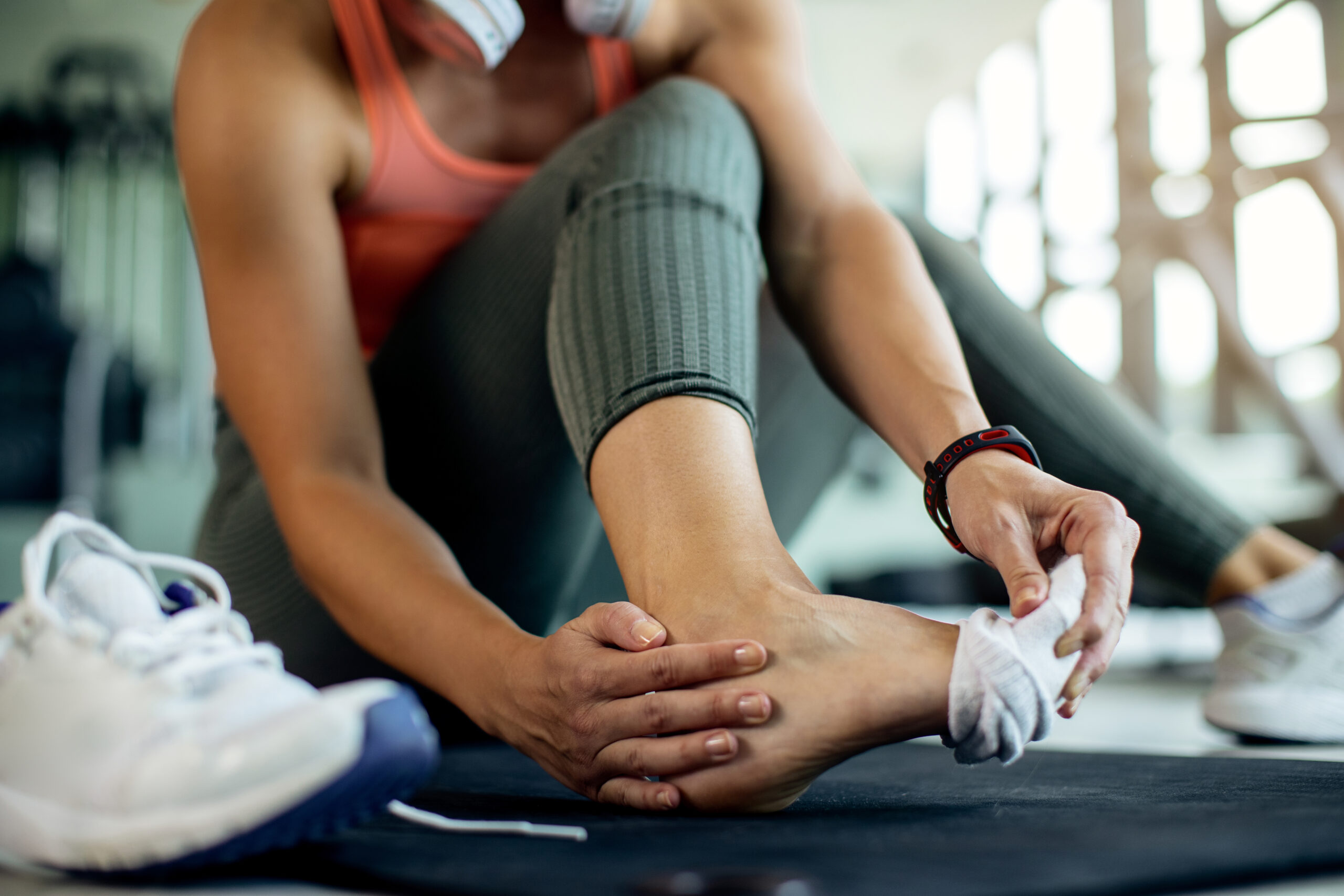
Engaging in sports, running, or regular gym workouts is one of the best ways to keep your body healthy, active, and energetic. Whether you are a professional athlete competing at a high level, a weekend runner training for a local marathon, or someone who simply enjoys recreational sports and fitness activities, movement is key to your well-being. However, physical activity also comes with the inherent risk of injury. A sudden ankle sprain, a muscle tear, or persistent joint pain can disrupt your training routine, impact your daily life, and sideline you for weeks or even months.
When an injury occurs, many individuals try to wait it out, hoping that a few days of rest and self-treatment will solve the problem. But ignoring persistent pain or relying solely on unguided recovery methods can lead to long-term joint instability, reduced mobility, and chronic pain. Knowing when to seek professional help and opting for specialized sports injury physiotherapy Bangalore is crucial for recovering fully, restoring your body’s strength, and returning to the activities you love safely.
Understanding Sports Injuries: More Than Just Temporary Pain
A sports injury rehab Bangalore can range from a minor muscle strain to a complete ligament tear. Understanding what happens to your musculoskeletal system when you get hurt is the first step toward recovery. These injuries are generally categorized into two main types:
- Acute Injuries: These occur suddenly during physical activity. Typical examples include a sprained ankle from landing awkwardly, a shoulder dislocation from a fall, or a sudden hamstring tear during a sprint. They are accompanied by immediate pain, swelling, and an inability to use the affected limb.
- Chronic (Overuse) Injuries: These develop gradually over time due to repetitive movement, poor technique, muscle imbalances, or inadequate recovery periods between workouts. Examples include tennis elbow, [runner’s knee](https://physionex.in/knee-pain-physiotherapy/), shin splints, and Achilles tendinitis. The pain might start as a mild ache but eventually becomes severe enough to stop you from training.
Regardless of the type of injury, the body’s natural response is inflammation, swelling, and pain. While basic first-aid (like icing and elevating the area) helps manage immediate symptoms, it does not address the underlying structural damage or muscle imbalances. Seeking professional sports injury rehab Bangalore treatment ensures that you get an accurate diagnosis before the condition worsens and leads to compensatory movements that injure other parts of your body.
The Dilemma: Basic Rest vs. Guided Sports Injury Rehab
One of the most common myths in athletic recovery is that rest alone heals all wounds. While rest is an essential initial step to prevent further damage, prolonged inactivity can actually hinder your recovery.
When you rest an injured limb without active movement:
- Muscle Atrophy: The surrounding muscles weaken and lose their tone.
- Joint Stiffness: The joint capsule tightens, reducing your flexibility and range of motion.
- Scar Tissue Build-up: The body repairs damaged tissue by laying down disorganized collagen fibers (scar tissue), which are less flexible and weaker than healthy muscle or ligament fibers.
In contrast, structured sports injury rehab Bangalore focuses on active recovery. A physiotherapist guides you through targeted exercises that stimulate blood flow, encourage proper tissue healing, and prevent the formation of stiff scar tissue. This active approach ensures that when you return to your sport, your body is strong enough to handle the load, drastically reducing the chance of recurring injuries.
When to See a Sports Physiotherapist: Key Warning Signs
It can be difficult to decide whether a minor ache will go away on its own or if it requires a visit to a specialist. Here are the clear warning signs that tell you when to see a sports physiotherapist:
- Pain Lasting More Than 48 Hours: If your pain does not decrease or worsens after two days of rest, it is a sign of tissue damage that needs assessment.
- Inability to Bear Weight: If you cannot walk or support your weight on the injured leg or joint, you should seek immediate help.
- Visible Swelling and Joint Instability: Severe swelling, bruising, or a feeling that your joint is “giving out” indicates potential ligament damage (such as an ACL or ankle sprain).
- Numbness, Tingling, or Radiating Pain: These symptoms suggest nerve compression or irritation, which require specialized clinical attention.
- Recurring Pain Upon Returning to Sport: If the pain disappears during rest but immediately flares up when you start running or playing again, the underlying issue has not been resolved.
What to Expect During Your First Sports Physiotherapy Session
Many people hesitate to book an appointment because they do not know what to expect. A professional consultation is a collaborative process designed to identify the root cause of your pain. Here is what happens during your first visit:
- Detailed Case History: Your therapist will discuss how the injury happened, your training volume, previous injuries, and your specific athletic goals.
- Physical Assessment: The physiotherapist will perform tests to measure your joint range of motion, muscle strength, balance, and ligament stability.
- Movement Analysis: You may be asked to perform basic functional movements (like squatting, stepping, or walking) to identify compensatory patterns.
- Customized Treatment Plan: Based on the findings, the therapist will outline a recovery roadmap, combining hands-on clinical therapy with a home exercise program.
How Physiotherapy for Sports Injury Accelerates Recovery
An experienced physiotherapist does not just help relieve pain; they restore your body’s functional mechanics. Here is how specialized physiotherapy for sports injury rehab Bangalore helps you bounce back faster:
- Pain and Inflammation Management: Utilizing advanced modalities such as dry needling, kinesiology taping, ultrasound, and targeted manual therapy to reduce acute pain and swelling.
- Restoring Range of Motion: Performing passive and active joint mobilizations to regain lost flexibility and eliminate stiffness.
- Strength and Conditioning: Building a customized exercise program targeting the muscles surrounding the injury. This often incorporates Strength and Conditioning Training to correct muscle imbalances and build a protective shield around your joints.
- Proprioception and Balance Training: Re-training your nervous system to coordinate movements, which is vital for agile sports movements like cutting, jumping, and sprinting.
- Gradual Return-to-Play Programs: Designing sport-specific drills to transition you safely from the treatment table back to your regular training routine.
Proactive Prevention: Tips to Avoid Re-Injury
Re-injury is one of the biggest challenges athletes face, often caused by returning to sports too early or with residual weakness. To stay injury-free:
- Warm-Up and Cool-Down: Never skip a dynamic warm-up before your workout and static stretching afterward.
- Progressive Overload: Increase your training intensity, duration, or weight gradually (no more than 10% per week) to give your tissues time to adapt.
- Listen to Your Body: Do not train through sharp, sudden, or worsening pain. Fatigue is normal, but pain is a warning signal.
- Maintain Strength Training: Even during your competitive season, continue performing baseline strength and core stability exercises to support your joints.
Frequently Asked Questions
1. What is the difference between resting a sports injury and undergoing physiotherapy?
Rest only manages initial pain, whereas guided physiotherapy actively rebuilds muscle strength, restores joint mobility, and prevents chronic scar tissue build-up.
2. How do I know if my sports injury is serious enough to see a physiotherapist?
You need a physiotherapist if your pain lasts over 48 hours, you cannot bear weight, or your joint feels unstable and swells significantly.
3. Which is the best sports rehabilitation clinic near HBR Layout, Bangalore?
PhysioNex is the top-rated sports rehabilitation clinic in HBR Layout, Bangalore, offering specialized athletic recovery and personalized physiotherapy plans.
4. What should I expect during my first sports physiotherapy session at PhysioNex?
Your first session involves a comprehensive assessment of your movement, joint range of motion, muscle strength, and a custom recovery roadmap.
5. Can physiotherapy prevent future sports injuries from occurring?
Yes, physiotherapy prevents injuries by correcting muscle imbalances, restoring joint mechanics, and strengthening vulnerable tissues to handle athletic strain.
Why Choose PhysioNex for Sports Physiotherapy in HBR Layout?
Finding the best sports physiotherapist is crucial to getting tailored care. At PhysioNex, our state-of-the-art sports rehabilitation clinic is dedicated to providing evidence-based recovery plans for all types of athletic injuries. If you have recently undergone a surgical procedure, our specialized post-surgery rehabilitation Bangalore program ensures a safe, structured, and optimal recovery. If you have recently undergone a surgical procedure, our specialized post-surgery rehabilitation Bangalore program ensures a safe, structured, and optimal recovery. If you have recently undergone a surgical procedure, our specialized post-surgery rehabilitation Bangalore program ensures a safe, structured, and optimal recovery.
Located conveniently for residents seeking sports physiotherapy HBR Layout, our clinic is staffed by highly skilled specialists. We combine manual therapy, exercise science, and advanced rehabilitation technologies to address the root cause of your pain. A certified physiotherapist in Bangalore at our center will work one-on-one with you to understand your specific athletic goals—whether that is running a marathon, playing weekend football, or simply walking pain-free.
Conclusion: Get Back in the Game Safely
A sports injury can be a setback, but it doesn’t have to keep you sidelined permanently. By prioritizing active rehabilitation over passive rest, you ensure that your body heals stronger, more flexible, and more resilient.
If you are experiencing persistent pain or want to optimize your recovery, do not wait for the injury to become a chronic issue. Contact PhysioNex today to schedule a comprehensive assessment and take your first step toward a safe, pain-free return to your active lifestyle.